

Camper Van and RV Heating, Cooling and Insulation, Compared Clearly
Compare heating, ventilation, cooling and insulation for your RV power supply and space. Check the requirements before installation.
Comfort on the scale of your camper.
VanThermia compares heating, air conditioning, ventilation and insulation for camper vans, RVs and travel trailers using the numbers each manufacturer publishes. For most people the order is: insulate, fit a small diesel heater with its exhaust outside, and add a carbon monoxide alarm. Air conditioning depends on your battery bank or the campground hookup.
Start with what you want to solve
Compare the differences that change your choice before checking an offer.
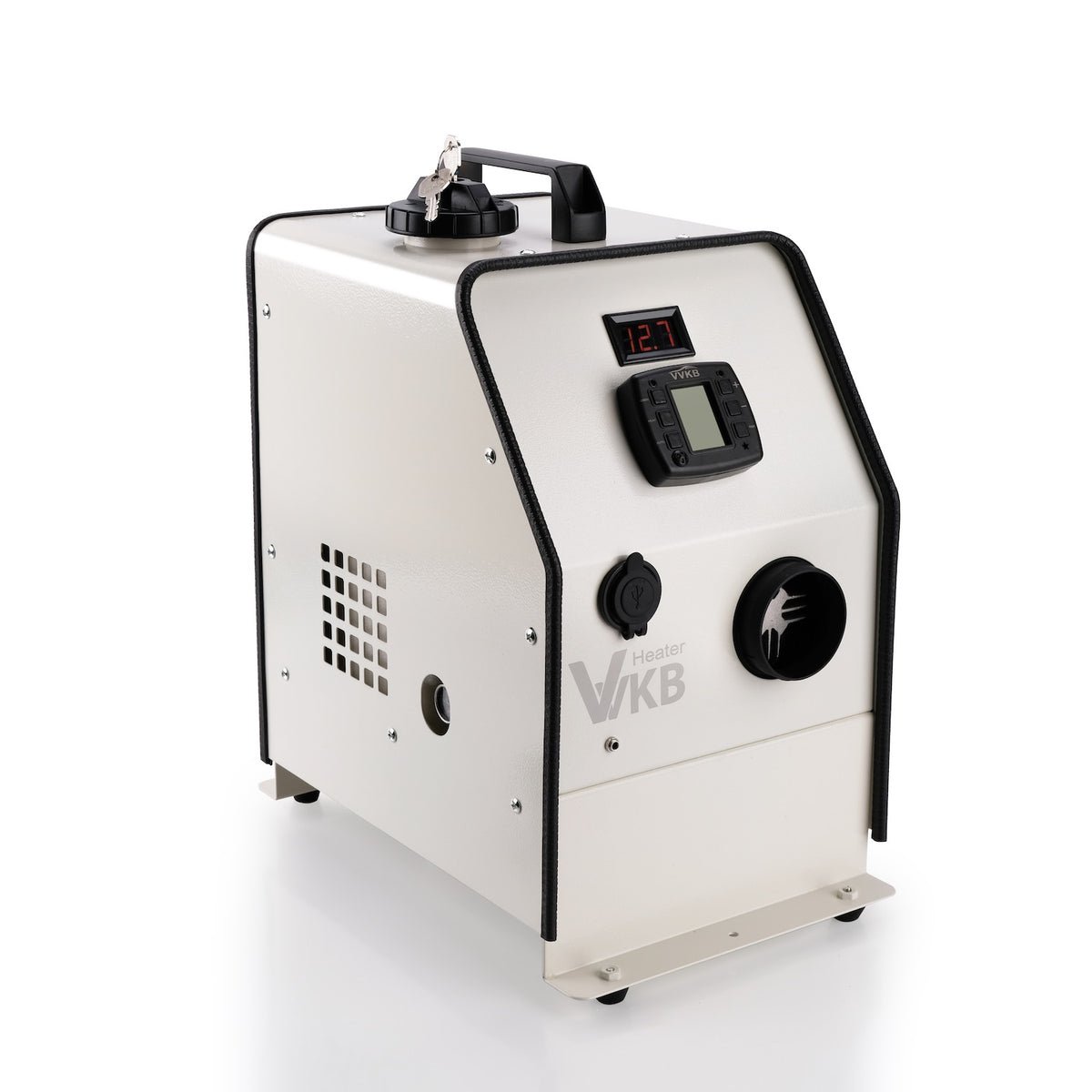
Heating
The best diesel heaters for camper vans and RVs in 2026: 7 fixed and all-in-one units ranked on specs, with the fuel math that exposes inflated kW claims.
Compare optionsAir conditioning
The 4 best portable air conditioners for camper vans and RVs, all with real compressors, ranked on cooling per watt, venting, noise and heat mode.
Compare options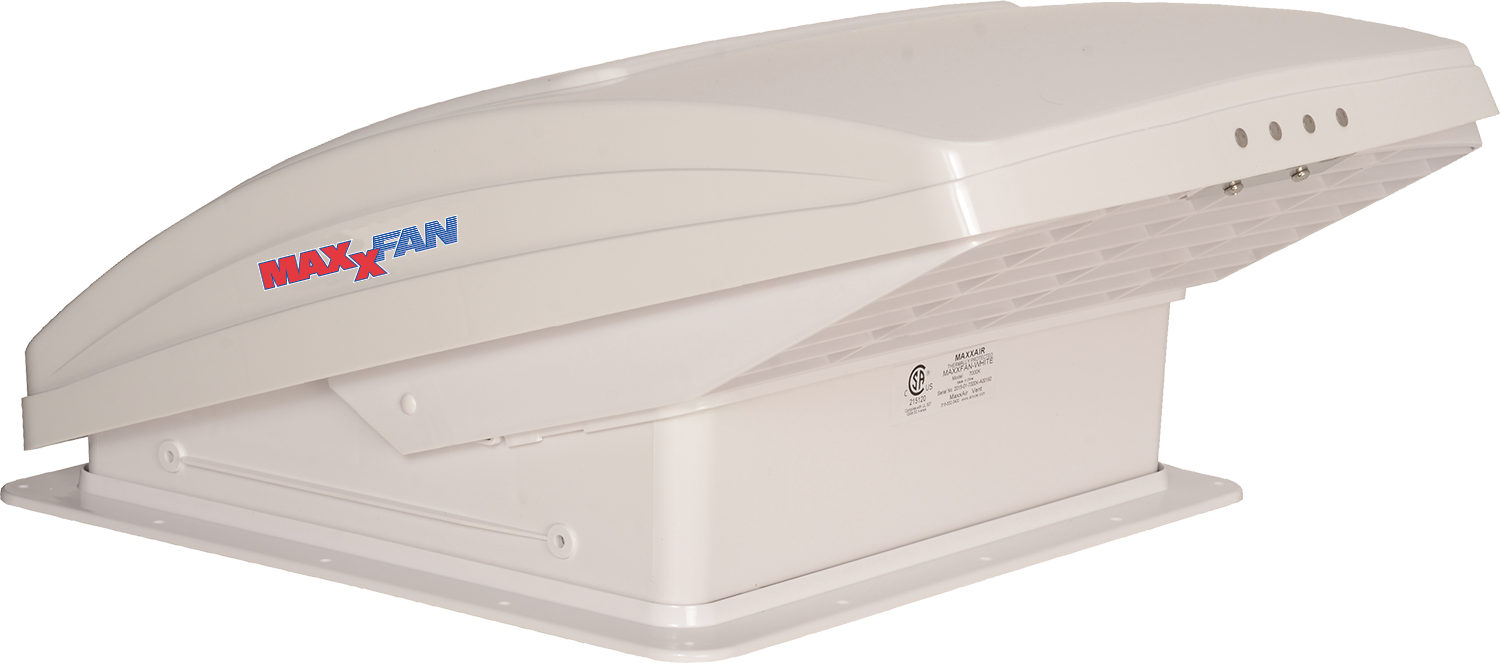
Ventilation
The 6 best dehumidifiers for RVs and camper vans in 2026, compared on real daily capacity, type (desiccant or Peltier), cold-weather use, power and noise.
Compare optionsYour space. Your use. Your priorities.
Explore by category to narrow down models and requirements.
Find your starting point
Each family serves a different need. Start with yours.
Heating
How diesel, propane and electric heaters work in camper vans and RVs, which is safest, how much output you need, and six heaters compared on specs.
Explore modelsAir conditioning
How rooftop, 12 V parking and portable air conditioners cool camper vans and RVs, why air coolers are not AC, and six units compared on specs.
Explore modelsVentilation
How to keep a camper van or RV dry and fresh: roof vent fans, 12 V fans and dehumidifiers explained, 5 buying checks and a spec comparison of six models.
Explore models
Insulation
Insulation, window covers, CO alarms and thermometers for camper vans and RVs: how each works, 5 buying checks and a spec comparison of six products.
Explore modelsModels to compare with confidence
Use cases, differences and limits of the selection. Open a profile to decide and the retailer to check current conditions.
ICECOSMOS VH08 PRO Portable Diesel Heater
Best diesel heater5 kW · 12 V
5 kW with app and remote control, high-altitude mode and an exhaust kit, rated at 39 dB.
The catch: A 1-year warranty and no published fuel consumption.
Maxxair Maxxfan Plus 00-04550K 10-Speed Roof Vent Fan
Best roof vent fan1,529 m³/h · 10 speeds · reversible
Reversible, 10 speeds, thermostat and a rain cover so it vents in the rain.
The catch: The listing gives blade size, not the roof opening: check your 14 × 14 in cutout.

Kidde C3010D 10-Year Battery CO Alarm with Display
Best CO alarmUL Certified · 10 yr battery
Electrochemical sensor, digital display and a sealed 10-year battery.
The catch: The listing says UL certified without naming UL 2034.
Check the current price, availability, variant and purchase conditions with the retailer.
Installation starts before you buy.
Available space, power and safety requirements constrain the equipment. Check the guides, calculations and instructions for the exact variant.
Read before choosingUnderstand what really matters
Our methodHow to Install a Diesel Heater in a Camper Van or RV
How to plan a diesel heater install in a camper van or RV: location, exhaust and intake outside, fuel, wiring, CO alarm, paperwork, and when to hire a pro.
Read guideWhat Size Heater Do I Need for My Camper Van or RV?
Work out how many kW or BTU your camper van or RV heater needs from volume, insulation and outside temperature, and spot inflated diesel heater ratings.
Read guideCarbon Monoxide in Camper Vans and RVs: Sources, Symptoms and Alarms
Where carbon monoxide comes from in a camper van or RV, the NHS symptoms, what to do, UL 2034 vs EN 50291-2 alarms and where to fit one.
Read guideWhat is VanThermia?
VanThermia is an independent comparison site about staying warm and cool in camper vans, RVs, travel trailers and caravans. We read the official Amazon listings, pull out the figures each manufacturer states and put them side by side.
Then we do the math the listing skips: whether a heater’s output matches its fuel use, how many amps a 12 V air conditioner draws, or what fits on a 30 A pedestal. We always show the formula.
What do you need?
- Heating: diesel, propane or electric. See the best diesel heaters, the best propane heaters and low-wattage electric heaters.
- Air conditioning: rooftop, 12 V parking or portable. Compare rooftop units and compressor portables.
- Ventilation and damp: roof vent fans and dehumidifiers.
- Insulation and safety: van insulation and RV carbon monoxide detectors.
To compare options before choosing, browse all rankings and product reviews and comparisons.
Where should you start?
With insulation: everything else works better in a well-insulated rig. Closed-cell foam or fiber batts cut heat loss and condensation, so a smaller heater and a lower-draw AC will do.
Then heating. Work out how much output you need with what size heater do I need: a well-insulated high-roof van rarely needs more than 2 kW (about 6,800 BTU/h). If you fit a diesel heater, read how to install a diesel heater first.
Which calculators do we offer?
- Heater size calculator: kW by volume, temperatures and insulation.
- Diesel heater fuel calculator: liters and amp-hours per night.
- RV power calculator: what fits on a 15, 30 or 50 A hookup and how long your battery lasts.
What about condensation?
Condensation is the number one winter problem in campers. The EPA recommends keeping indoor humidity below 60%: ventilate, insulate without thermal bridges and use dry heat. We explain it step by step in camper condensation.
How do we review?
Every product gets a VanThermia score out of 10 from a public formula: it starts at 5 and earns points for what the listing states, such as a remote, a low-oxygen sensor or closed-cell insulation. Missing data adds nothing and impossible figures cost points. We cover Amazon.com (US); UK and Canada visitors are sent to their local store only when we have verified the same product there. Details in how we review and about us.
Practical guides
See all- Camper Heater Size Calculator: How Many kW Do You Need?
Free heater size calculator for camper vans and RVs: enter volume, outside and inside temperature and insulation to get the heat loss and the kW to buy.
- Camper Van Condensation: Why It Happens and How to Stop It
Why condensation forms in camper vans and RVs and how to stop it: keep humidity below 60 %, ventilate, insulate, use dry heat and pick the right dehumidifier.
- Carbon Monoxide in Camper Vans and RVs: Sources, Symptoms and Alarms
Where carbon monoxide comes from in a camper van or RV, the NHS symptoms, what to do, UL 2034 vs EN 50291-2 alarms and where to fit one.
- Diesel Heater Fuel Calculator: Fuel and Battery Use Per Night
Free diesel heater calculator for camper vans and RVs: estimate fuel per day, how long the tank lasts and the amp-hours the heater takes from your battery.
- RV Power Calculator: Shore Power Watts and Battery Runtime
Free RV power calculator: see what fits on a 15, 20, 30 or 50 A hookup at 120 V and how many hours a heater, AC or fan runs on your battery.
- How to Install a Diesel Heater in a Camper Van or RV
How to plan a diesel heater install in a camper van or RV: location, exhaust and intake outside, fuel, wiring, CO alarm, paperwork, and when to hire a pro.
All models
Browse the 73 products in the US catalog, with specifications and links to comparisons.
Open catalogFrequently asked questions
What is the best heater for a camper van?
For off-grid winter nights, a diesel air heater is the most common choice: it sips fuel and gives dry heat. On shore power, a low-wattage electric heater is a good backup.
Is a propane heater safe in a camper?
Only models the maker rates for indoor use, with a low-oxygen sensor and tip-over shutoff, and only with the ventilation opening the manual requires. Never sleep with one running, and always have a CO alarm.
Can I run air conditioning without shore power?
Yes, with a 12 V rooftop or parking AC or a compressor portable unit, but they draw a lot of battery. Check your watt-hours first with our RV power calculator.
Do you physically test the products?
No. We analyze the official listings, compare the data and show our math. When a listing leaves something out, we say so. Our method page explains it.
How does VanThermia make money?
Through the Amazon Associates program: if you buy through our links, Amazon pays us a commission at no extra cost to you. No brand pays to appear or to rank higher.