
Camper Van and RV Insulation and Safety: Insulation, Window Covers, CO Alarms
Insulation keeps heat in and cuts condensation, window covers stop cold and heat at the glass, and a CO alarm is essential in any rig with a diesel or propane heater or a gas stove. A thermometer with humidity readings tells you whether it is all working.
Insulation and safety gear decide whether a camper van or RV stays warm, dry and safe to sleep in. Insulation keeps heat in and cuts condensation. Window covers stop cold and heat at the glass. A carbon monoxide (CO) alarm protects you from combustion appliances, and a thermometer-hygrometer shows whether it all works.
This hub covers how each works, what to check before buying and how six products compare on their listings.
How does camper insulation work?
It slows the flow of heat through the walls, roof and floor, and it keeps warm air away from cold metal. The lower a material’s conductivity (λ, in W/m·K), the better it insulates at the same thickness. Thickness matters as much as the material.
| Material | How it works | Strengths | Limits |
|---|---|---|---|
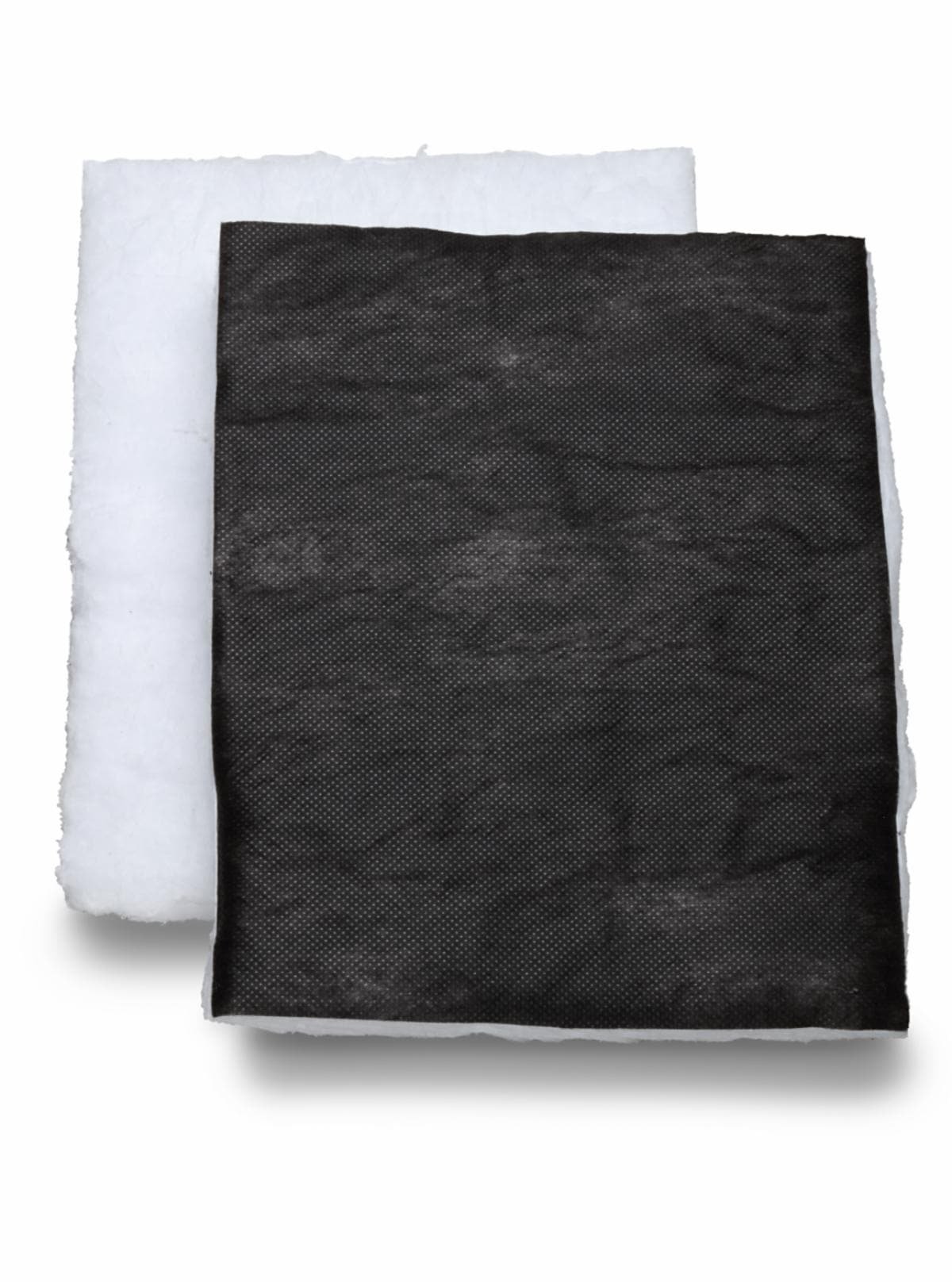
| Fiber batt (Thinsulate, polyester) | Traps air between fine fibers | Thick, light, fills irregular cavities | Not closed-cell, so it does not seal against the metal |
| Closed-cell foam | Traps air in sealed cells | Does not absorb water; glued to the panel, it reduces condensation behind | Thin sheets add limited insulation |
| Foil bubble (Reflectix type) | Foil reflects radiant heat | Blocks sun and radiant cold | Needs an air gap; 4-5 mm insulates little by conduction |
“Blocks 95 % of heat” claims on foil products refer to radiant heat, not total insulation. Our ranking of the best van insulation explains which listings overstate it.
What do window covers do?
They cover the biggest cold spots in any rig: the glass. External covers stop cold and heat before they reach the window. Internal covers are more convenient but let condensation form between the cover and the glass. A ranking of window covers is coming soon; meanwhile, our camper condensation guide explains how to deal with wet windows.
Why is a CO alarm essential?
Because carbon monoxide is invisible and odorless, and every combustion heater or gas stove can produce it. Any vehicle with a diesel or propane heater or a gas stove should have a CO alarm.
In the US, the usual standard is UL 2034. In Europe and the UK, EN 50291-2 is the part written for caravans, motorhomes and boats, with movement and vibration tests (Safelincs). Many RVs use a hardwired 12 V combined CO/LP (propane) alarm. Read our carbon monoxide guide for campers and the best RV carbon monoxide detectors.
How do I choose in 5 points?
Fix the safety basics first, then insulate, then fine-tune.
- A CO alarm with a declared standard. Look for UL 2034 (US) or EN 50291-2 (RVs in Europe and the UK), an electrochemical sensor and, ideally, a sealed 10-year battery or 12 V wiring.
- Insulation thickness and λ. Compare thickness in mm or inches and a declared λ. Be wary of big R-values on thin products.
- The right layer for the job. Fiber batts or foam for walls and roof; foil bubble only with an air gap, or for window covers.
- Window covers that fit. Custom-fit external covers work best; universal internal ones need trimming.
- A thermometer with humidity. It shows whether you stay below 60 % humidity. Wi-Fi models let you check from away.
Sizing your heater depends on how well you insulate. Try the heater size calculator with different insulation levels.
How do the main products compare?
These six cover insulation, a window shade, two CO alarms and a thermometer. Every figure comes from the Amazon listing. An empty cell means the manufacturer does not publish it, or the spec does not apply. In tables, “Wool” is our label for fiber batts; Thinsulate SM600L is polyester and polypropylene fiber, not sheep’s wool.
| Model | Type | Thickness (mm) | Area (m²) | Sensor | Standard | Humidity | VanThermia score | Best for | |
|---|---|---|---|---|---|---|---|---|---|
| Synthetic fiber mat | — | 9.3 | — | — | — | 5 | Van walls and roof | ||
| Foil bubble wrap | 7.9 | 4.6 | — | — | — | 5.5 | Radiant barrier, window plugs | ||
| Internal | — | — | — | — | — | 6.5 | RV door window | ||
| — | — | — | Electrochemical | UL Certified | — | 8.5 | CO alarm, no wiring | ||
| — | — | — | Electrochemical | — | — | 7 | 12 V CO and propane | ||
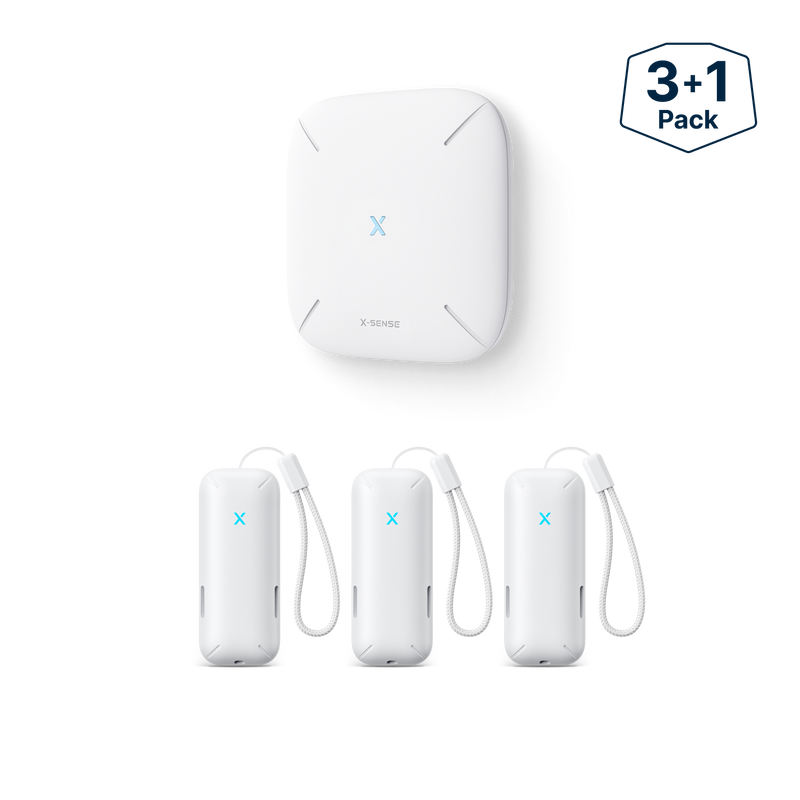
| Wi-Fi | — | — | — | — | Yes | 8 | Remote monitoring |

(affiliate link) · Data from the Amazon listing; offers may change.
Thinsulate SM600L is 44 mm (about 1.7 in) thick, against 7.9 mm (0.31 in) for Reflectix BP24025. The Kidde C3010D says “UL Certified” but does not name the standard. The Sponiwelly DE201 cites no standard at all, so check before you rely on it alone.
Where should I go next?
- Rankings: the best van insulation and the best RV carbon monoxide detectors. Rankings of window covers and wireless thermometers are coming.
- Guides: carbon monoxide in campers and how to install a diesel heater.
- Tool: the heater size calculator shows how much insulation reduces the heater output you need.
All about insulation and safety
Rankings and picks
- The 6 Best RV Carbon Monoxide Detectors of 2026The 6 best carbon monoxide detectors for RVs and camper vans in 2026, compared on standard, sensor, battery, display and 12 V CO/LP propane detection.
- The 6 Best Van Insulation Products of 2026: Thinsulate, Foam, ReflectixThe 6 best camper van insulation products of 2026: Thinsulate, polyester batts, foil foam and Reflectix compared on thickness, coverage and real effect.
Guides and calculators
Frequently asked questions
What is the best insulation for a camper van?
For walls and ceilings, a thick fiber batt such as 3M Thinsulate or a closed-cell foam. Foil bubble wrap like Reflectix mainly stops radiant heat and needs an air gap, so it is a supplement, not the main layer.
Does Reflectix really block 95 % of heat?
No. Figures like that refer to radiant heat only. At 4-5 mm thick, foil bubble insulates little by conduction, and it needs an air gap in front of the foil to work at all.
Do I need a carbon monoxide detector in a camper van?
Yes, if you have any combustion heater (diesel or propane) or a gas stove. CO is invisible and odorless. In the US, look for UL 2034; in Europe and the UK, EN 50291-2 is the part written for recreational vehicles.
Are external or internal window covers better?
External covers stop cold and heat before they reach the glass. Internal covers are easier to fit but let condensation form between the cover and the glass.
Why use a thermometer with humidity in an RV?
It shows whether your heating and ventilation keep humidity below 60 %, the EPA’s threshold for mold. Models with an app or Wi-Fi also let you check the rig while you are away.