
The 6 Best Van Insulation Products of 2026: Thinsulate, Foam, Reflectix
- Data from official spec sheets
- Public scoring formula
- No paid placements
3M Thinsulate SM600L is the best van insulation for most builds: 44 mm (about 1.7 in) of fiber batt, 9.3 m² (about 100 ft²) per roll and a declared FMVSS 302 vehicle flammability rating. Maasechs polyester batts are a thinner alternative, and Reflectix only helps against radiant heat with an air gap.
On this page (8)
3M Thinsulate SM600L is the best van insulation for most camper van builds. It is a 44 mm (about 1.7 in) fiber batt, sold in rolls covering 9.3 m² (about 100 ft²), with a declared FMVSS 302 rating, the US flammability standard for vehicle interiors. Maasechs polyester batts are a thinner, less documented alternative. Reflectix and other foil bubble products only help against radiant heat, and only with an air gap.
We ranked six insulation products sold on Amazon.com using only the specs on each listing. We have not insulated a van with them. Where a listing promises an R-value that is impossible for its thickness, we explain why and rank it lower.
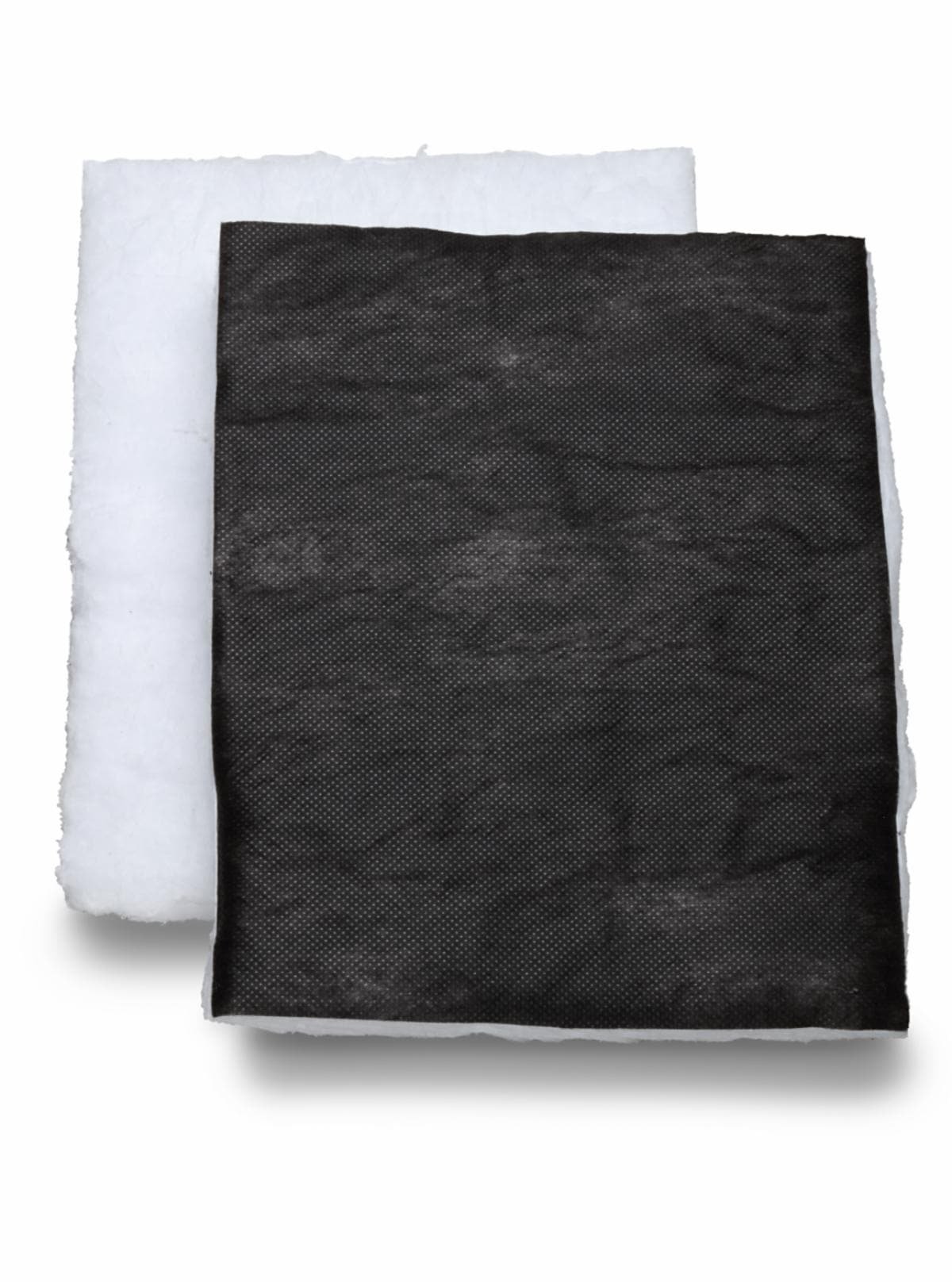
3M Thinsulate SM600L Van Insulation 5×20 ft
9.3 m²
44 mm (about 1.7 in) thick, 9.3 m² (about 100 ft²) per roll and an FMVSS 302 rating.
The catch: No conductivity (λ) figure we can check, and it is not closed-cell.
Maasechs Polyester Van Insulation 60 in × 25 ft, 30 mm
30 mm · 11.6 m²
30 mm (about 1.2 in) polyester batt covering 11.6 m² (about 125 ft²).
The catch: No R-value, λ or fire rating on the listing.
Reflectix BP24025 Bubble Pack Insulation 24 in × 25 ft
7.9 mm · 4.6 m²
7.9 mm (0.31 in) foil bubble for window covers and radiant layers with an air gap.
The catch: Insulates little by conduction; no R-value or fire rating declared.
How do the 6 insulation products compare?
Three are fiber batts, two are foil bubble and one is foil-faced foam. They do different jobs, so thickness and type matter more than any headline figure. Empty cells mean the manufacturer does not publish that figure. “Wool” in the table is our label for fiber batts, not sheep’s wool.
| Model | Type | Thickness (mm) | Area (m²) | λ (W/m·K) | Self-adhesive | Fire rating | VanThermia score | Best for | |
|---|---|---|---|---|---|---|---|---|---|
| Synthetic fiber mat | — | 9.3 | — | — | FMVSS 302 | 5 | Walls and roof | ||
| Wool | 30 | 11.6 | — | — | — | 6.5 | Large areas, lighter batt | ||
| Wool | 30 | 2.4 | — | — | — | 6 | Doors and small cavities | ||
| Foil bubble wrap | 7.9 | 4.6 | — | — | — | 5.5 | Window covers, radiant layer | ||
| Foil-faced foam | 6.4 | 13.9 | — | — | Class 1 / Class A (ASTM) | 6 | Thin foam liner | ||
| Foil bubble wrap | — | 9.3 | — | — | Class 1 / Class A (ASTM E84) | 5 | Radiant barrier with air gap |
(affiliate link) · Data from the Amazon listing; offers may change.
Here is the checklist at a glance. A dash means the listing does not declare it:
| Product | Type | Thickness | Coverage | Fire rating | Plausible claims |
|---|---|---|---|---|---|
| 3M Thinsulate SM600L | Fiber batt | 44 mm (1.7 in) | 9.3 m² (100 ft²) | FMVSS 302 | yes |
| Maasechs 60 in × 25 ft | Polyester batt | 30 mm (1.2 in) | 11.6 m² (125 ft²) | – | yes |
| Maasechs 16 in × 20 ft | Polyester batt | 30 mm (1.2 in) | 2.4 m² (26 ft²) | – | yes |
| Reflectix BP24025 | Foil bubble | 7.9 mm (0.31 in) | 4.6 m² (50 ft²) | – | yes |
| US Energy Foam Core | Foil-faced foam | 6.4 mm (1/4 in) | 13.9 m² (150 ft²) | Class 1 / Class A | no: R-8 claim |
| Trade Winds radiant barrier | Foil bubble | – | 9.3 m² (100 ft²) | Class 1 / Class A | no: 97 % and coverage claims |
None of the six publishes a conductivity (λ) figure, the number that lets you compare materials fairly. That leaves thickness and material type as the most reliable guides.
What does each type of insulation actually do?
Fiber batts and foam slow heat conduction; foil bubble mainly reflects radiant heat. The lower a material’s λ (W/m·K), the better it insulates at the same thickness, and more thickness means more insulation.
| Type | What it does | Where it works | Watch out for |
|---|---|---|---|
| Fiber batt (Thinsulate, polyester) | Traps air between fibers | Walls, roof, doors, irregular cavities | Not closed-cell: it does not seal against the metal |
| Closed-cell foam | Traps air in sealed cells; does not absorb water | Glued to bare metal, where it reduces condensation behind | Thin sheets add limited insulation |
| Foil bubble (Reflectix type) | Foil reflects radiant heat | Window covers; radiant layer with an air gap | Needs an air gap; 4-5 mm insulates little by conduction |
Claims such as “blocks 95 % of heat” or “reflects 97 % of radiant heat” describe radiation only, not total insulation. Elastomeric closed-cell foams (Armaflex or K-Flex type) are a common first layer on bare metal; none is in our US catalog yet.
Which one fits your build?
Match the product to the surface and the job. Tap a card to jump to the full entry.
Pick by what you need
The 6 best van insulation products, reviewed
Thinsulate SM600L is the 3M material made from fine polyester and polypropylene fibers. This roll is 44 mm (about 1.7 in) thick and covers 9.3 m² (about 100 ft²). Its listing declares FMVSS 302, the US flammability standard for vehicle interiors, which none of the other batts here claims.
It is light and fills irregular cavities between ribs. The listing quotes an R-value per inch but no conductivity (λ), so we cannot verify its insulating claim and give it no credit for λ. As a fiber batt, it is not closed-cell. The listing names a different seller from the material brand, so check who ships it.
Pros
- 44 mm (about 1.7 in) thick, the thickest here
- 9.3 m² (about 100 ft²) per roll
- FMVSS 302 vehicle interior flammability rating declared
Cons
- No λ figure; its R-value claim cannot be checked
- Fiber batt: not closed-cell, so it does not seal against the metal
- Best for
- Walls, roof and doors of a full van conversion
- Skip it if
- Gluing directly to bare metal as a vapor-tight layer
Specifications
| Type | Synthetic fiber mat |
|---|---|
| Area (m²) | 9.3 |
| Fire rating | FMVSS 302 |
2. Maasechs Polyester Van Insulation 60 in × 25 ft, 30 mm
30 mm · 11.6 m²
6.5/10 · VanThermia scoreThe Maasechs 60 in × 25 ft roll is a polyester fiber batt, 30 mm (about 1.2 in) thick, covering 11.6 m² (about 125 ft²). It weighs 5.9 kg (about 13 lb) and, per the listing, has a water-resistant veil on both faces.
It covers more area per roll than the Thinsulate but is 14 mm thinner, and thickness is what insulates. The listing declares no R-value, λ or fire rating. If a documented fire rating matters for your build, the Thinsulate is the safer choice.
Pros
- 11.6 m² (about 125 ft²) per roll, the most among the batts
- 30 mm (about 1.2 in) polyester fiber
- 5.9 kg (about 13 lb): easy to handle
Cons
- No R-value, λ or fire rating on the listing
- Thinner than Thinsulate SM600L
- Best for
- Large wall and roof areas
- Skip it if
- Builders who want a documented fire rating
Specifications
| Type | Wool |
|---|---|
| Thickness (mm) | 30 |
| Area (m²) | 11.6 |
| Weight (kg) | 5.9 |
3. Maasechs Polyester Van Insulation 16 in × 20 ft, 30 mm
30 mm · 2.4 m²
6/10 · VanThermia scoreThis is the same Maasechs polyester batt in a 16 in × 20 ft roll covering 2.4 m² (about 26 ft²). The narrow width suits doors, pillars and the gaps left after the main rolls.
The bullets and title give 30 mm, while the spec table gives a thinner figure; we use 30 mm. The listing itself states that no R-value is given. For a full van, the 60 in roll is far more practical.
Pros
- Same 30 mm (1.2 in) polyester batt in a narrow roll
- 16 in wide: suits doors and pillars
- 2.4 m² (about 26 ft²): little waste on small jobs
Cons
- Small coverage for a full build
- No R-value or fire rating; thickness conflicts in the spec table
- Best for
- Doors, pillars and topping up a build
- Skip it if
- Insulating a whole van
Specifications
| Type | Wool |
|---|---|
| Thickness (mm) | 30 |
| Area (m²) | 2.4 |
4. Reflectix BP24025 Bubble Pack Insulation 24 in × 25 ft
7.9 mm · 4.6 m²
5.5/10 · VanThermia scoreReflectix BP24025 is foil bubble pack: two foil faces around two layers of bubbles, 7.9 mm (0.31 in) thick. A 24 in × 25 ft roll covers 4.6 m² (about 50 ft²).
It stops radiant heat well, which is why vanlifers cut it into window covers. As wall insulation it is weak: foil bubble needs an air gap to work, and at this thickness it insulates little by conduction. The listing is written for buildings and declares no fire rating. Use it as an extra layer, not the main one.
Pros
- Genuine Reflectix bubble pack, 7.9 mm (0.31 in)
- Blocks radiant heat, useful against sun on glass
- Light: 0.5 kg (about 1.1 lb) for 4.6 m² (about 50 ft²)
Cons
- Needs an air gap in front of the foil to work
- No R-value, λ or fire rating on the listing
- Best for
- DIY window covers and a radiant layer behind panels with a gap
- Skip it if
- The main wall insulation
Specifications
| Type | Foil bubble wrap |
|---|---|
| Thickness (mm) | 7.9 |
| Area (m²) | 4.6 |
| Weight (kg) | 0.5 |
5. US Energy Products Reflective Foam Core 1/4 in, 150 ft²
6.4 mm · 13.9 m²
6/10 · VanThermia scoreThis is a 6.4 mm (1/4 in) closed-cell foam with metalized film on both faces, covering 13.9 m² (about 150 ft²) and declaring a Class 1 / Class A fire rating. Closed-cell foam does not absorb water, which helps against condensation.
The title promises R-8, and that cannot be true. R-8 is about RSI 1.41 (R × 0.176). Dividing 0.0064 m by 1.41 gives a conductivity of about 0.0045 W/m·K, far below any foam. Treat it as a thin liner, not a high-performance insulator.
Pros
- Closed-cell foam core with foil on both faces
- Class 1 / Class A fire rating declared
- 13.9 m² (about 150 ft²) per roll
Cons
- The title’s R-8 claim is impossible for 6.4 mm (1/4 in)
- Too thin to be the only insulation layer
- Best for
- A thin, water-resistant liner under a thicker batt
- Skip it if
- Anyone buying it for the R-8 in the title
Specifications
| Type | Foil-faced foam |
|---|---|
| Thickness (mm) | 6.4 |
| Area (m²) | 13.9 |
| Fire rating | Class 1 / Class A (ASTM) |
6. Trade Winds Double Reflective Radiant Barrier 4×25 ft
9.3 m²
5/10 · VanThermia scoreThe Trade Winds roll is double foil bubble, 48 in × 25 ft, covering 9.3 m² (about 100 ft²), with a Class 1 / Class A rating under ASTM E84. The title uses the word Reflectix, but the listing names Trade Winds as the brand.
Its headline claim, that it reflects 97 % of radiant heat, describes radiation only and needs an air gap. Pressed against the metal, it barely insulates by conduction. The spec table also gives a coverage many times larger than the roll can physically cover, and no thickness. Buy the Reflectix BP24025 if you want foil bubble with clearer data.
Pros
- Foil bubble with foil on both sides
- Class 1 / Class A fire rating (ASTM E84)
- 9.3 m² (about 100 ft²) per roll
Cons
- Reflects 97 % of radiant heat refers to radiation only
- Coverage in the spec table is impossible for the roll size
- Best for
- A radiant barrier with an air gap
- Skip it if
- Anyone expecting it to insulate on its own
Specifications
| Type | Foil bubble wrap |
|---|---|
| Area (m²) | 9.3 |
| Fire rating | Class 1 / Class A (ASTM E84) |
How do I choose van insulation?
Choose by thickness and material first, then fire rating and coverage. Thicker insulates more. A declared λ lets you compare materials, but none of the six publishes one. A fire rating (FMVSS 302 for vehicle interiors, or ASTM class ratings) is a plus in a small space you sleep in.
Plan layers by job. Closed-cell foam against bare metal reduces condensation behind it; fiber batts fill cavities; foil bubble belongs in window covers or behind panels with an air gap. How well you insulate also sets the heater you need: compare levels in the heater size calculator. For moisture control, read our camper condensation guide.
What are the most common mistakes?
The most common mistake is using foil bubble as the main insulation. Here are six to avoid:
- Gluing Reflectix straight to the metal and calling it done. Without an air gap, it barely insulates.
- Trusting R-values printed on thin products. R-8 in 1/4 in is physically impossible.
- Leaving thermal bridges. Uninsulated ribs and pillars stay cold and drip.
- Forgetting ventilation. Insulation slows heat loss; it does not remove moisture. See the best RV roof vent fans.
- Ignoring fire ratings. In a van you sleep in, a declared fire rating is worth having.
- Buying by area only. A big roll of thin material insulates less than a smaller roll of a thick batt.
Which one should I pick by cost level?
Foil products and small rolls sit at the entry level, Thinsulate at the top. We do not list prices because they change daily; check the current listing.
- Entry: Reflectix BP24025, Trade Winds radiant barrier and Maasechs 16 in × 20 ft. Good for window covers and small areas.
- Mid: Maasechs 60 in × 25 ft and US Energy Foam Core. The Maasechs is the thicker, better insulator of the two.
- High: 3M Thinsulate SM600L, the thickest batt here, with a vehicle fire rating.
For all insulation and safety gear, see insulation and safety. If your van has a combustion heater, add a CO alarm: see the best RV carbon monoxide detectors.
What is our verdict?
Frequently asked questions
What is the best insulation for a camper van?
For walls and roof, a thick fiber batt such as 3M Thinsulate SM600L, 44 mm (about 1.7 in) thick with an FMVSS 302 rating, or a closed-cell foam glued to the metal. Foil bubble like Reflectix is a supplement for radiant heat, not the main layer.
Does Reflectix work in a van?
Only partly. Foil bubble mainly blocks radiant heat and needs an air gap in front of the foil to work. Pressed against the metal, 4-5 mm of bubble insulates little by conduction. It works better for window covers or behind panels with a gap.
Is Thinsulate better than polyester van insulation?
On paper, Thinsulate SM600L is thicker (44 mm vs 30 mm) and declares a vehicle flammability rating, which the Maasechs batts do not. Both are fiber batts; neither publishes a conductivity (λ) figure we can check.
Can 1/4 in foam really be R-8?
No. R-8 in 6.4 mm (1/4 in) would need a conductivity of about 0.0045 W/m·K, far below any foam. Treat such R-values as marketing; compare thickness and declared λ instead.
How do I stop condensation behind van insulation?
Closed-cell foam glued directly to the metal does not absorb water and reduces condensation behind it. Avoid thermal bridges, ventilate the van and keep humidity below 60 %.
Based on official spec sheets, manuals and published owner feedback. We have not physically tested every model. How we review.