
Camper Heaters: Diesel vs Propane vs Electric, Explained
Diesel air heaters are the usual choice for camper vans and RVs off-grid: they burn fuel in a sealed chamber and vent outside. Electric heaters are the simplest on a campground hookup. Portable propane heaters need an oxygen sensor, fresh air and a CO alarm, and should never run while you sleep.
A camper heater is a diesel, propane or electric unit sized for a small, poorly insulated box on wheels. Each type solves a different problem: diesel for off-grid winters, electric for campground hookups, propane for short bursts of heat. This page explains how each one works, how to stay safe, and which models we cover.
How does a diesel air heater work?
It burns diesel in a sealed combustion chamber and warms cabin air through a heat exchanger. Combustion air comes in from outside and the exhaust goes back outside, so the cabin air never mixes with the fumes. A small fuel pump meters diesel from a tank, and a fan blows the warmed air into the van.
At start-up, a glow plug draws a current peak for a few minutes. Once running, the heater draws much less power. Starting and stopping many times uses more battery and builds up more carbon.
There are two formats. Fixed units are mounted in the vehicle with the intake and exhaust through the floor. All-in-one units pack tank, heater and battery into one box that stays outside (or vents its exhaust outside) and sends warm air in through a duct. Our guide to installing a diesel heater covers both.
How do propane heaters work, and are they safe?
Portable propane heaters burn gas in the cabin, so they use your oxygen and release carbon monoxide and water vapor into it. Only models the maker rates for indoor use include a low-oxygen sensor (ODS) and, on most, a tip-over shutoff. Even those need ventilation: the Mr. Heater Portable Buddy manual asks for a fresh-air opening of at least 9 square inches (about 58 cm²).
The water vapor matters too: an unvented propane heater adds moisture that ends up as condensation on cold glass and metal. See how to stop condensation in a camper.
When does an electric heater make sense?
On a campground hookup, and almost nowhere else. An electric heater turns every watt into heat with no fumes, which makes it the simplest option. The limit is the pedestal: a 30 A RV hookup at 120 V supplies 3600 W, and a 15 A household outlet only 1800 W.
On battery, electric heat drains fast. Amps = watts ÷ volts, so an 800 W heater pulls about 67 A from a 12 V bank, plus 10-15 % lost in the inverter. Check your numbers with the RV power calculator.
How do I choose a camper heater in 5 points?
Decide where you camp first, then size the heater and check its safety features.
- Where you camp. Off-grid in winter points to diesel; mostly on hookups points to electric; occasional cold mornings can work with propane.
- Output. Match it to your volume, insulation and coldest night. Our guide on what size heater you need and the heater size calculator do the math.
- Believable specs. One liter of diesel holds about 10 kWh, so a heater’s maximum fuel use caps its output. An 8 kW claim with 0.45 L/h does not add up.
- Safety features. For propane: ODS, tip-over shutoff and indoor rating. For electric: tip-over and overheat protection.
- Running costs. Diesel use and battery draw per night are what you live with; estimate them with the diesel heater fuel calculator.
| Type | Best for | Main catch |
|---|---|---|
| Diesel air heater | Off-grid winter camping | Installation: intake and exhaust must be outside |
| Propane (portable) | Short sessions, taking the chill off | Burns cabin oxygen; never while sleeping |
| Electric | Campground hookups | Limited by amps; impractical on battery |
How do the main heaters compare?
These six cover all three types, from an 800 W ceramic heater to 5 kW diesel units. Every figure comes from the Amazon listing; an empty cell means the manufacturer does not publish it.
| Model | Output (kW) | Heat (W) | Power (W) | Voltage (V) | Weight (kg) | Warranty (years) | VanThermia score | Best for | |
|---|---|---|---|---|---|---|---|---|---|
| 5 | — | — | 12 | 8.6 | 1 | 8 | Off-grid vans | ||
| 5 | — | — | 12 | — | 1 | 6.5 | No-drill diesel | ||
| — | 1,114 | — | — | 2.5 | 3 | 9 | Small vans, short sessions | ||
| — | 3,224 | — | — | 5.3 | 3 | 9 | Larger RVs | ||
| — | — | 800 | 120 | 0.7 | — | 8 | 15 A outlets | ||
| — | — | 1,500 | 120 | 1.8 | 1 | 7.5 | 30 A hookups with a thermostat |
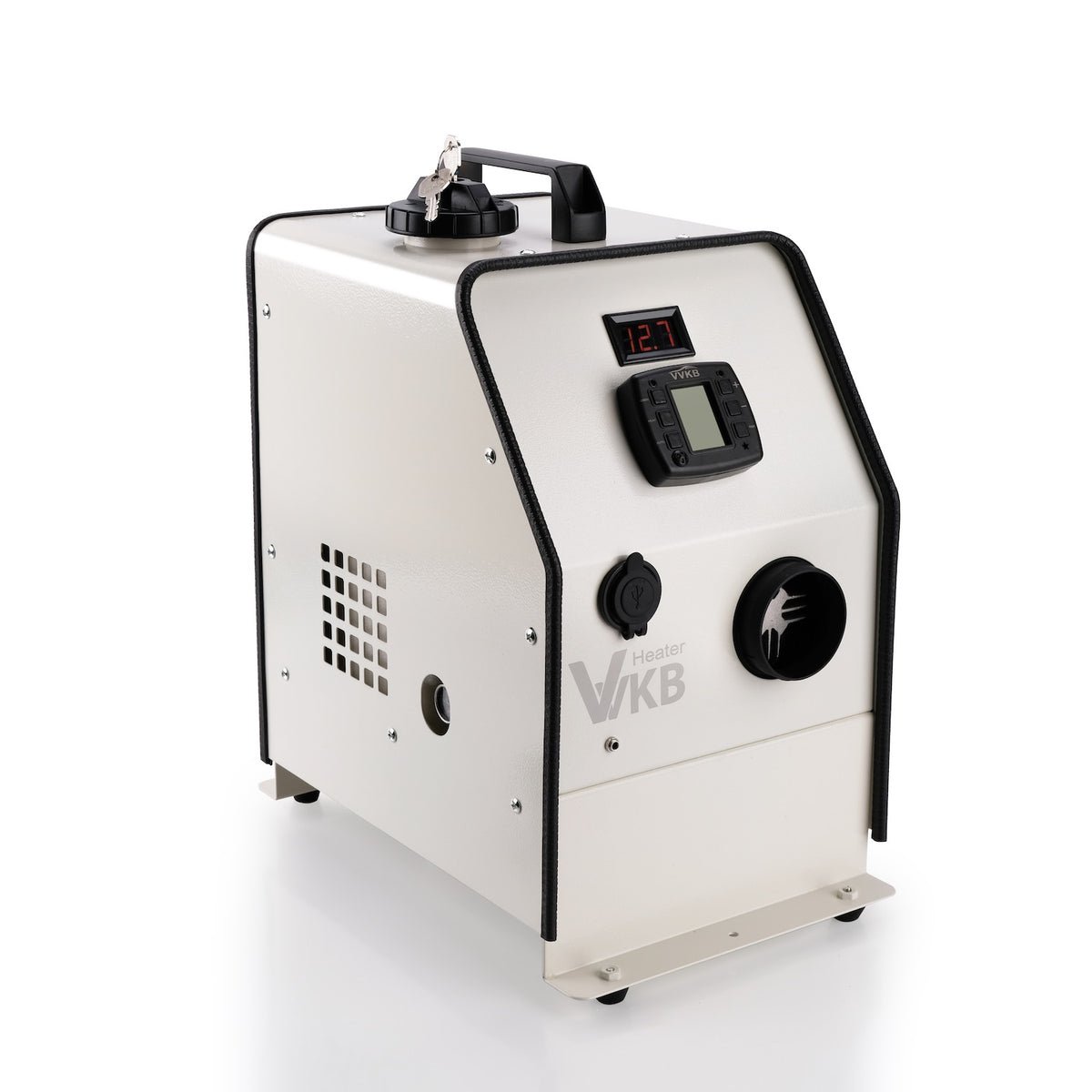

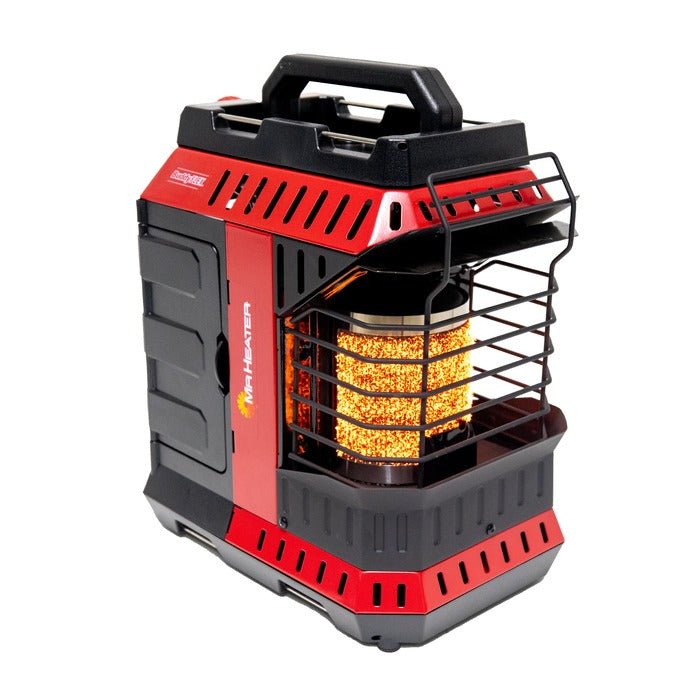
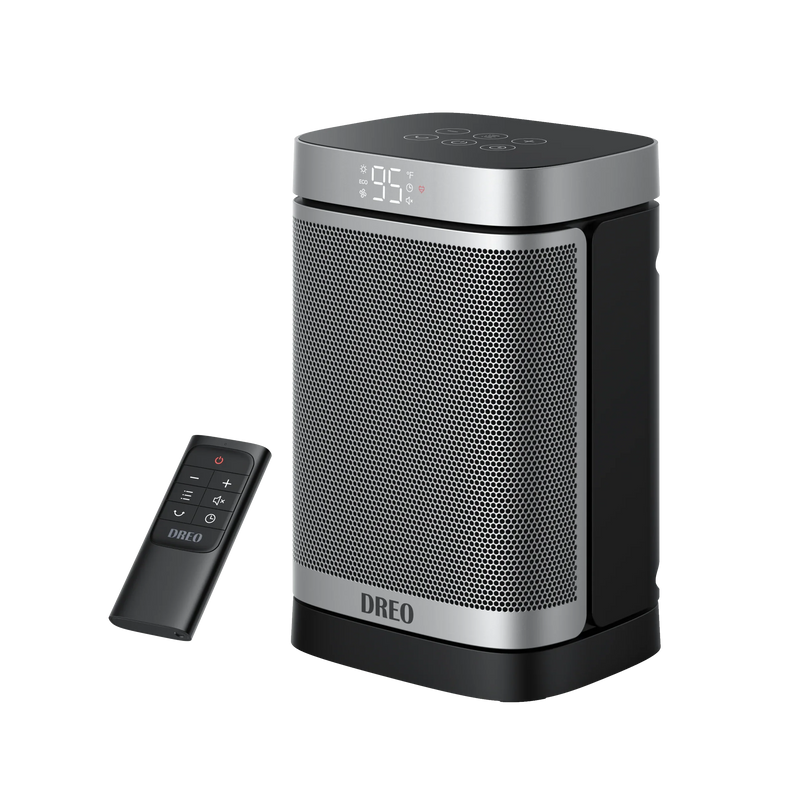
(affiliate link) · Data from the Amazon listing; offers may change.
Two things stand out. The diesel units are rated at 5 kW, far more than most vans need at full blast, so they spend most of the night on low. The two electric heaters differ mainly in wattage: the Teioe’s 800 W suits a 15 A outlet, while the DREO’s 1500 W needs a 30 A hookup to leave room for anything else.
Where should I go next?
Pick the page that matches your plan:
- Rankings: the best diesel heaters, the best propane heaters and the best electric space heaters for RVs.
- Guides: how to install a diesel heater and what size heater do I need.
- Calculators: heater size, diesel heater fuel and RV power.
- Safety: carbon monoxide in campers and the best RV carbon monoxide detectors.
A heater works less when the heat stays in. Before buying more kilowatts, look at van insulation.
All about camper and rv heaters
Rankings and picks
- Best Diesel Heaters for Camper Vans and RVs: 7 Ranked for 2026The best diesel heaters for camper vans and RVs in 2026: 7 fixed and all-in-one units ranked on specs, with the fuel math that exposes inflated kW claims.
- The 6 Best Electric Space Heaters for Camper Vans and RVs (2026)The 6 best electric space heaters for camper vans and RVs, ranked on wattage for 15 A and 30 A hookups, tip-over and overheat protection, and noise.
- The 4 Best Propane Heaters for Camper Vans and RVs (2026)The best propane heaters for camper vans and RVs, ranked on low-oxygen sensor, tip-over shutoff and output, with the ventilation and CO rules to follow.
Guides and calculators
- How to Install a Diesel Heater in a Camper Van or RVHow to plan a diesel heater install in a camper van or RV: location, exhaust and intake outside, fuel, wiring, CO alarm, paperwork, and when to hire a pro.
- What Size Heater Do I Need for My Camper Van or RV?Work out how many kW or BTU your camper van or RV heater needs from volume, insulation and outside temperature, and spot inflated diesel heater ratings.
Frequently asked questions
What is the best way to heat a camper van?
Off-grid, a diesel air heater with its exhaust and combustion intake outside the vehicle is the usual answer. On a campground hookup, a low-wattage electric heater is the simplest. Propane heaters work for short sessions with ventilation, never while you sleep.
Is a diesel heater safe in a van?
It can be, when the combustion air intake and the exhaust are both outside the vehicle, the exhaust is well sealed and it ends away from windows and vents. Fit a CO alarm too: UL 2034 in the US, or EN 50291-2 for RVs and boats.
Can I use a propane heater inside my RV?
Only a model the maker rates for indoor use, with a low-oxygen sensor (ODS), and only with fresh air coming in. The Mr. Heater Portable Buddy manual asks for an opening of at least 9 sq in. Do not sleep with it on, and run a CO alarm.
How much heater output does a camper van need?
It depends on volume, insulation and how cold it gets. A well-insulated van at 23 °F (-5 °C) often needs well under 2 kW. Use our heater size calculator to estimate yours.
Can I run an electric heater from my van battery?
Only briefly. An 800 W heater pulls about 67 A from a 12 V battery before inverter losses, which drains most battery banks in a couple of hours. Electric heat makes sense on shore power.